.svg)
.svg)
.svg)
.svg)




Welcome to our Family
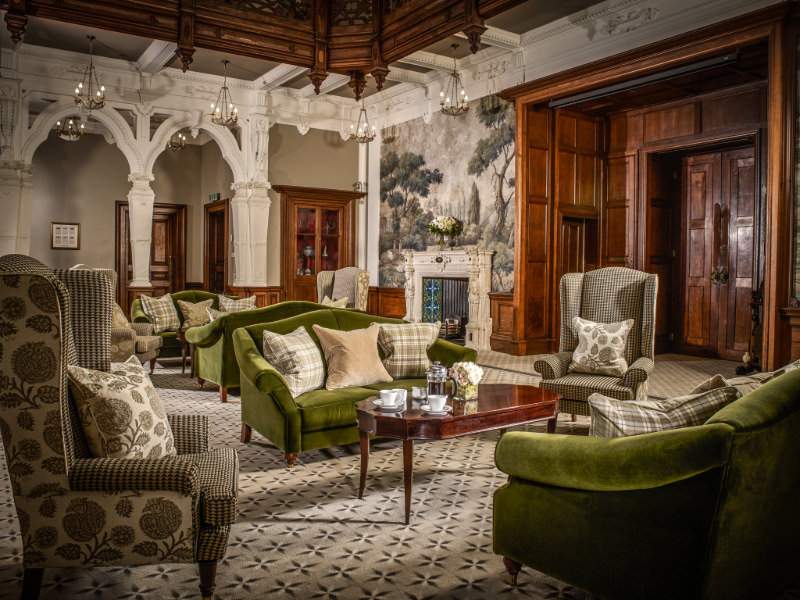
Clevedon Hall is a splendid manor house built in the Jacobean style, managed by a team of expert hospitality professionals with a passion for perfection.
Key Ingredients For An Unforgettable Celebration
A blissfully successful wedding celebration is a combination of many different elements - a magical venue, inspired wining and dining, luxurious accommodation, to name but a few. It's easy to forget, however, that it's the people who make it all happen. And we have some of the best.
They are experts in turning your personal dreams into a fabulous reality. Skilled and experienced, that have the kind of winning personalities, willingness to go the extra mile and love for what they do, that will really put the icing on your cake.

Our Team

Lauren England
Lauren oversees all sales and revenue, ensuring the venue remains a top wedding and events destination in the South West. With extensive experience, Lauren is well connected and often works with wedding planners to create seamless and memorable events.
.webp)
Jessica Williams
Jess is often the initial point of contact for couples, guiding them through the planning process, ensuring that every wedding she coordinates is nothing short of magical.

Jenna Williams
Co-ordinator
Jenna is a key player in our events team, responsible for driving social and corporate sales, and ensuring the seamless execution of a wide range of events, from intimate gatherings to large corporate functions.

Sacha Matthews
From blog writing, to behind-the-scenes content, Sacha works hard to ensure she stays up to date with industry trends. In addition to her creative role, Sacha also supports the coordination team, assisting with essential organisational tasks.
.webp)
Jordan Tull
As Senior Event Manager, Jordan is the driving force behind the delivery of our weddings and events. Jordan is passionate about delivering memorable occasions for our guests and works hard to lead and motivate the team to deliver this.

Jade Kelsall
Jade is responsible for supporting all operational aspects of the business. She oversees all operational service standards, operational efficiency, guest experience, customer service and staff retention. Jade's primary focus is creating luxurious, memorable moments for our wedding couples with the help of her team.
.webp)
Kyle Bryant
Kyles' primary focus is day to day event management ensuring that every detail is perfect as per our guests requirements. Kyle is also extremely skilled in bar and cocktail operations and is also responsible for the procurement, ordering and stock management of our premium beverage collection.
.webp)
Katie Mitchener
Following on from her initial start in the events industry she has gone on to work in many established venues where she has held the title of event manager. Katie has an excellent eye for detail and enjoys helping to bring to life couple's visions for their special day.
.webp)
Matthew Zinkant
Matt is one of our longest serving members of the Clevedon Hall team and is a great example of in house talent. Matt takes great pride in delivering an exceptional experience for his couples. Still today Matt remains an integral part the entire operation.

Alex Thompson
Alex is a talented chef with a huge amount of industry experience. Alex is passionate about food and loves to bring a couples culinary ideas to life for their special day.

John McCarthy
John founded Clevedon Hall in 2009 and is dedicated to providing outstanding, personalised experiences for our guests, while fostering a positive work environment.
.svg)